
The wall every vibe project hits
If any of these feel close to home, you're in the right place.
Your prototype isn't a failure. It's a blueprint.
What you've built has real value — even if the underlying code isn't production-ready. Every screen you designed, every flow you tested, every decision you made along the way is a head start that saves time and money when we build together.
Sometimes we build on what you have. Sometimes a clean rebuild is the faster path — using your prototype as the spec. The audit tells you which. No surprises.
Three phases. One destination
If any of these feel close to home, you're in the right place.

Have domain expertise and/or proven business experience
Security and data exposure assessment
UI/UX evaluation — what's working, what's hurting you
Infrastructure review and cost projections at scale
Rebuild vs. refactor recommendation — we'll be straight with you
A plain-English report card — clear findings, zero jargon, honest recommendations you can actually act on
Call to walk through your report together
Review audit findings together and align on priorities
Build a prioritized backlog tailored to your situation — not a generic checklist
Identify quick wins vs. foundational work that must come first
Deliver timeline and cost estimates for each phase of work
Give you everything you need to make a confident go-forward decision
Full-stack development against your approved roadmap
UI/UX design sprint before a line of code is written
Security, scalability, and infrastructure engineering
Mobile applications and third-party integrations
Ongoing product evolution and support
Not vibe coding. Something better
Our engineers use AI tools to move faster — but human judgment drives every architectural decision, every security call, and every line that ships. That's what separates us from a vibe coding shop.
We've built real-world systems across a dozen industries — enterprise platforms, hardware-integrated apps, multi-sided marketplaces — that real users depend on every day. That experience is what production-ready actually looks like.
VIBE CODING
AI drives all decisions
No architecture planning
Unreliable production
Accumulates technical debt
No QA or testing
Security as afterthought
AI-ACCELERATED DEVELOPMENT
Humans drive decisions
Structured engineering process
Fast to production
Built to scale cleanly
Full QA coverage
Security by design

%20(1).png)









Wide and deep experience
We fully manage and craft digital solutions
that solve your business needs.
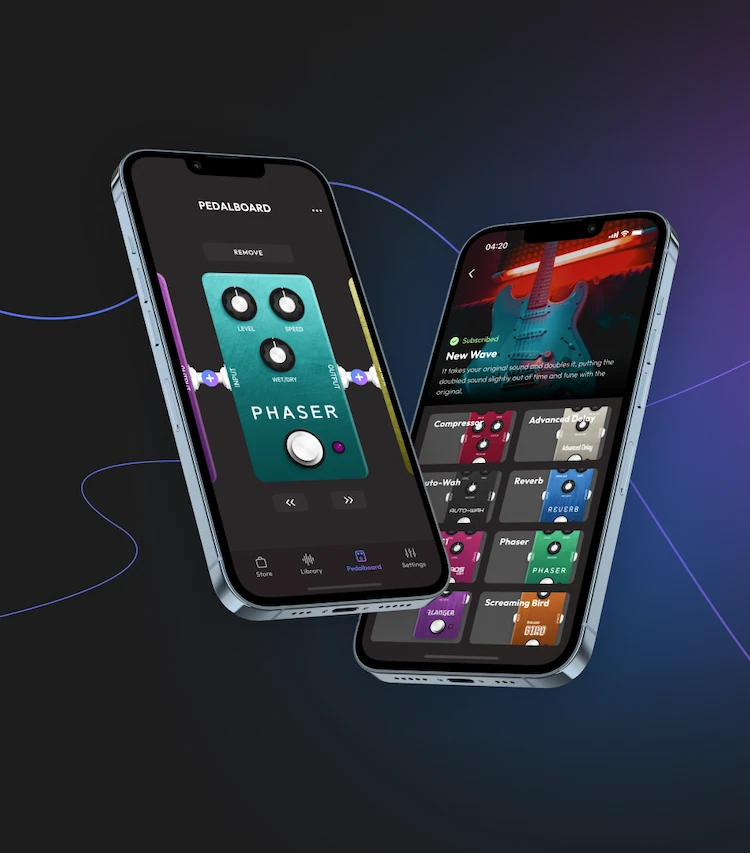
Chaos Audio
A smart guitar pedal powered by a digital effects marketplace and AI powered app.
INDUSTRY
Entertainment
TECHNOLOGIES
Flutter, C#/.net, Angular, AWS
COMPANY LINK
https://chaosaudio.comPLATFORM
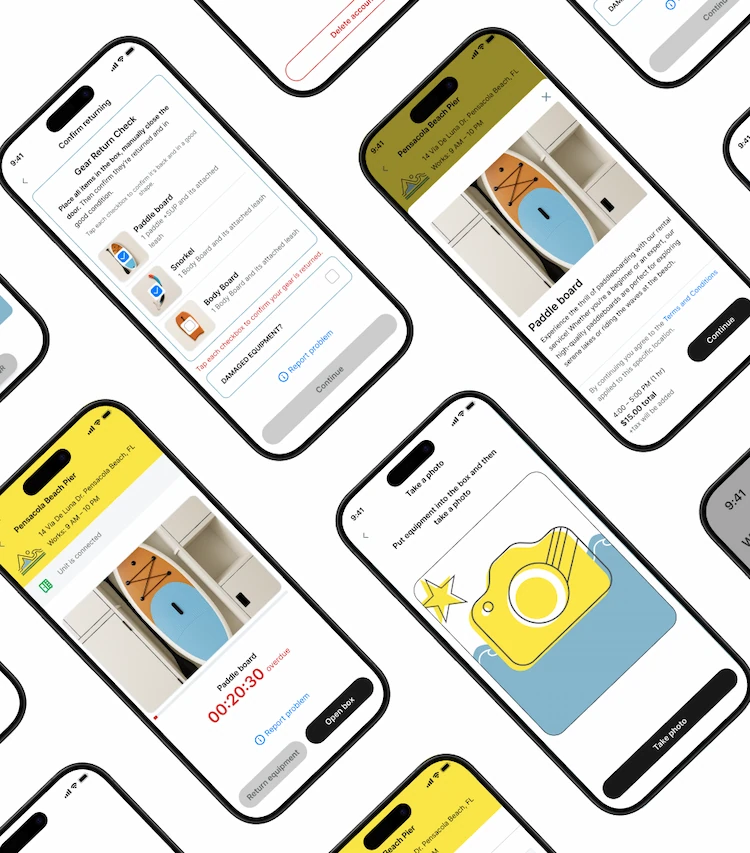
Daily Adventure Box
Daily Adventure Box provides un-attended rental kiosks for outdoor sports equipment to hotels, resorts, etc. Through their mobile app, users can book and pay for their rentals as well as unlock the cubby holding their equipment. A corporate dashboard provides oversight and optimization of all lockers and locations being serviced.
INDUSTRY
Recreation
TECHNOLOGIES
Flutter, C#/.net, Angular, AWS
COMPANY LINK
https://www.dailyadventurebox.com/PLATFORM
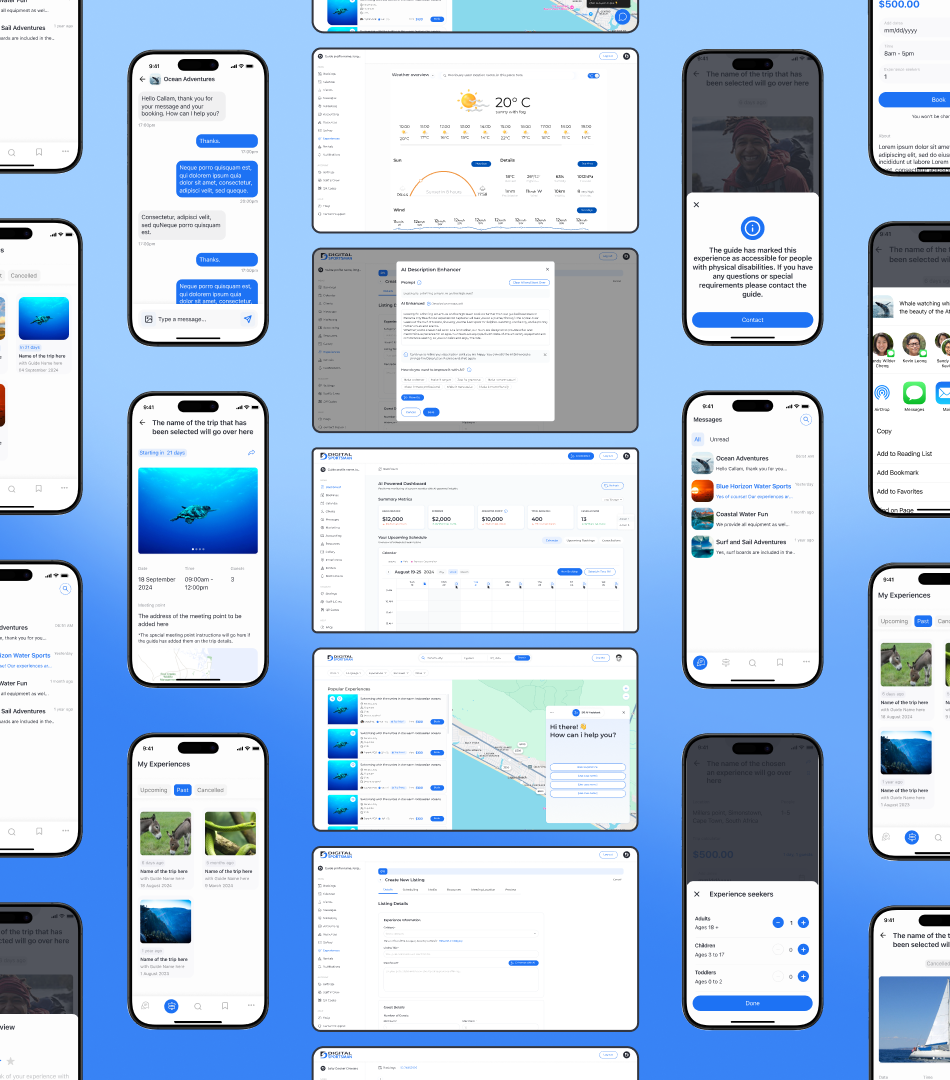
Digital Sportsman
The dominant software platform for outdoor sporting businesses. Teknika led design and development across the platform's foundational build-out — a 16-module business management web app, a consumer marketplace, and two mobile apps.
INDUSTRY
Recreation / SMB
TECHNOLOGIES
Ruby on Rails, React, Flutter, AWS
COMPANY LINK
https://www.dspro.guide/PLATFORM
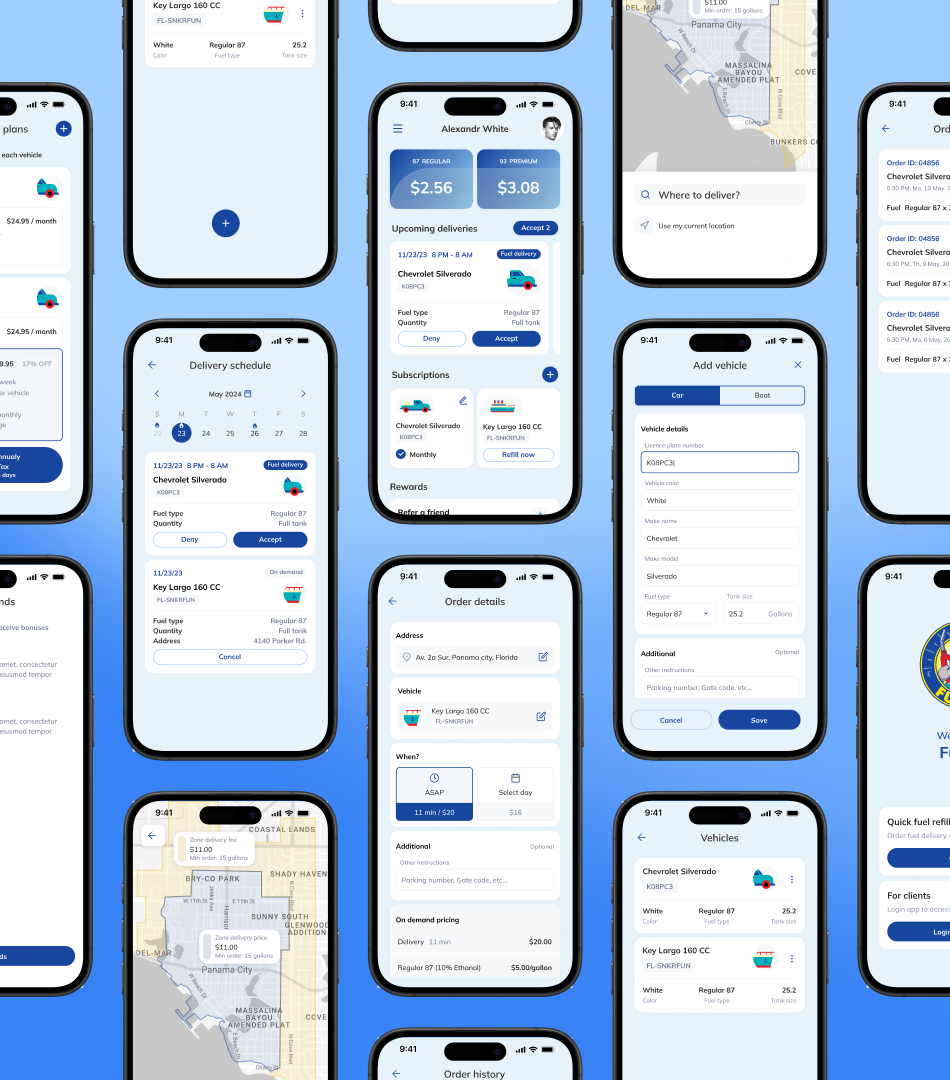
Fuuled
A rapidly growing fuel delivery service business desired a full featured software solution to both manage and scale their business as well as prepare them for franchising opportunities.
On the customer side, they needed an intuitive customer experience that covered everything from subscriptions, on-demand requests, solutions for businesses with fleets of vehicles, etc.
On the operations side, their fuel delivery drivers needed an app to manage scheduling, routes and requests. In addition, the software needed to integrate with their fuel pumps to measure fuel delivered at each job.
On the backend/admin side, they needed to track and manage all aspects of the business.
INDUSTRY
Delivery / SMB
TECHNOLOGIES
Futter, C#/.net, AWS
COMPANY LINK
https://www.fuuled.com/PLATFORM
NDA - AI Proposal Generation
A client with deep experience in government procurement identified that emerging AI technologies could be leveraged to help government contractors to both generate a higher volume of proposals and greatly enhance the quality and probability of success.
Teknika developed a comprehensive SaaS platform to streamline and enhance the complicated proposal workflow for companies. AI was incorporated in multiple ways to revolutionize the matching of contractors with opportunities, craft proposals with higher probabilities of success, and match/coordinate perfect partnerships between companies to pursue solicitations.
INDUSTRY
SMB & Enterprise
TECHNOLOGIES
C#/.net, Angular, AWS
COMPANY LINK
NDAPLATFORM
FoamManParts
The spray foam industry involves hundreds of different models of specialized equipment and associated parts and consumables. Existing ecommerce solutions were not sufficient to give a streamlined shopping process that manages all the interrelated compatibilities between equipment and parts and accessories.
This client engaged Teknika to make the most convenient and intuitive ecommerce experience for the busy spray foam professional. Teknika’s solution was a ground up ecommerce platform with industry specific interfaces that allow users to save their unique combination of equipment and easily view all compatible products as well as find parts using the equipment manuals they are already familiar with.
INDUSTRY
Construction
TECHNOLOGIES
Laravel (PHP)
COMPANY LINK
https://www.foammanparts.com/PLATFORM

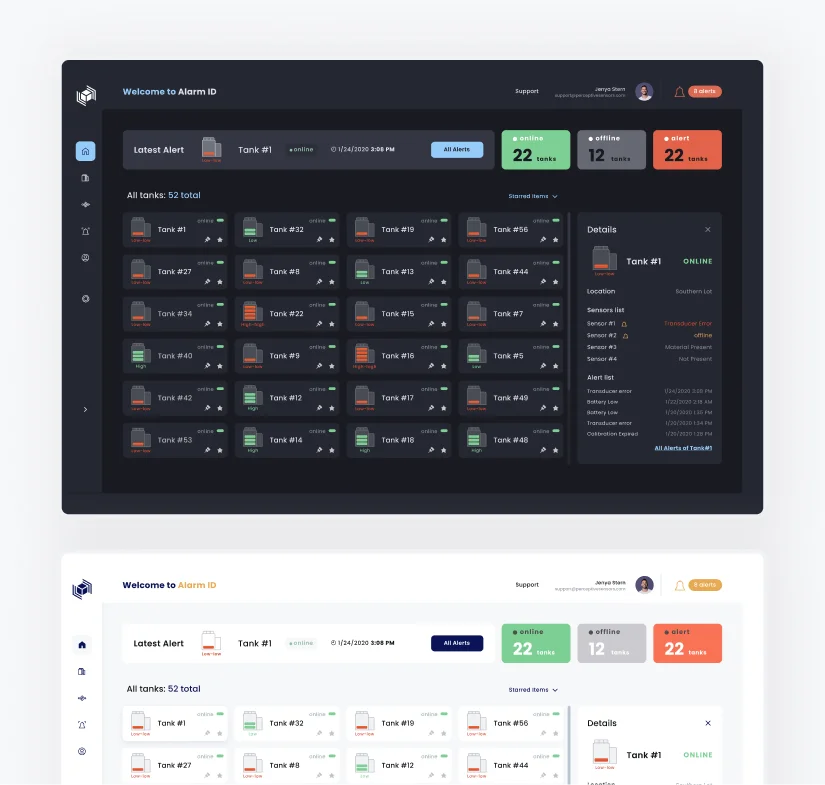
Alarm ID
Perceptive Sensor Technologies provides acoustic fluid level sensors to industrial customers. They required software to allow their clients to monitor thousands of sensors installed on oil storage tanks.
We developed software so their customers could manage and monitor thousands of sensors installed on hundreds of oil storage tanks.
The interface was designed such that the software could be equally usable on tv screens and tablets – in any lighting condition.
INDUSTRY
Oil & Gas / Environmental
TECHNOLOGIES
C#.net, .Net Maui
COMPANY LINK
https://www.perceptivesensors.com/PLATFORM
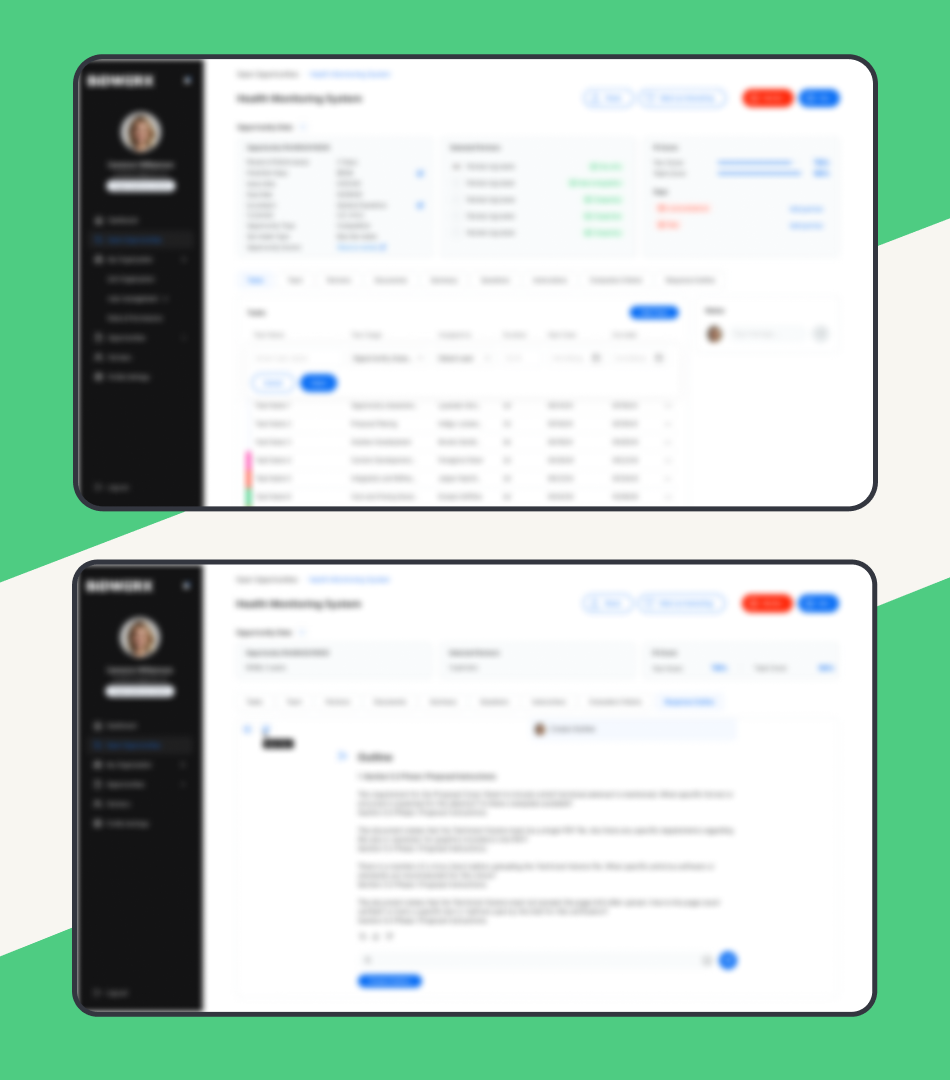
NDA - Corporate training and compliance opportunity engine
A fortune 100 company had a legacy software system that they used to identify certification and capabilities gaps in their client company's IT staff that was preventing them from being eligible/compliant for complex projects. This system was plagued with technical debt causing unacceptable down time and bugs for their users.
Teknika’s team was brought on to overall the maintenance and feature evolution regime for the project by implementing development and quality assurance best practices. In parallel, we did a complete technical review of their software and identified the highest priority technical debt to refactor to increase stability and maintainability.
INDUSTRY
Enterprise
TECHNOLOGIES
Ruby on Rails, React
COMPANY LINK
NDAPLATFORM
Grunt
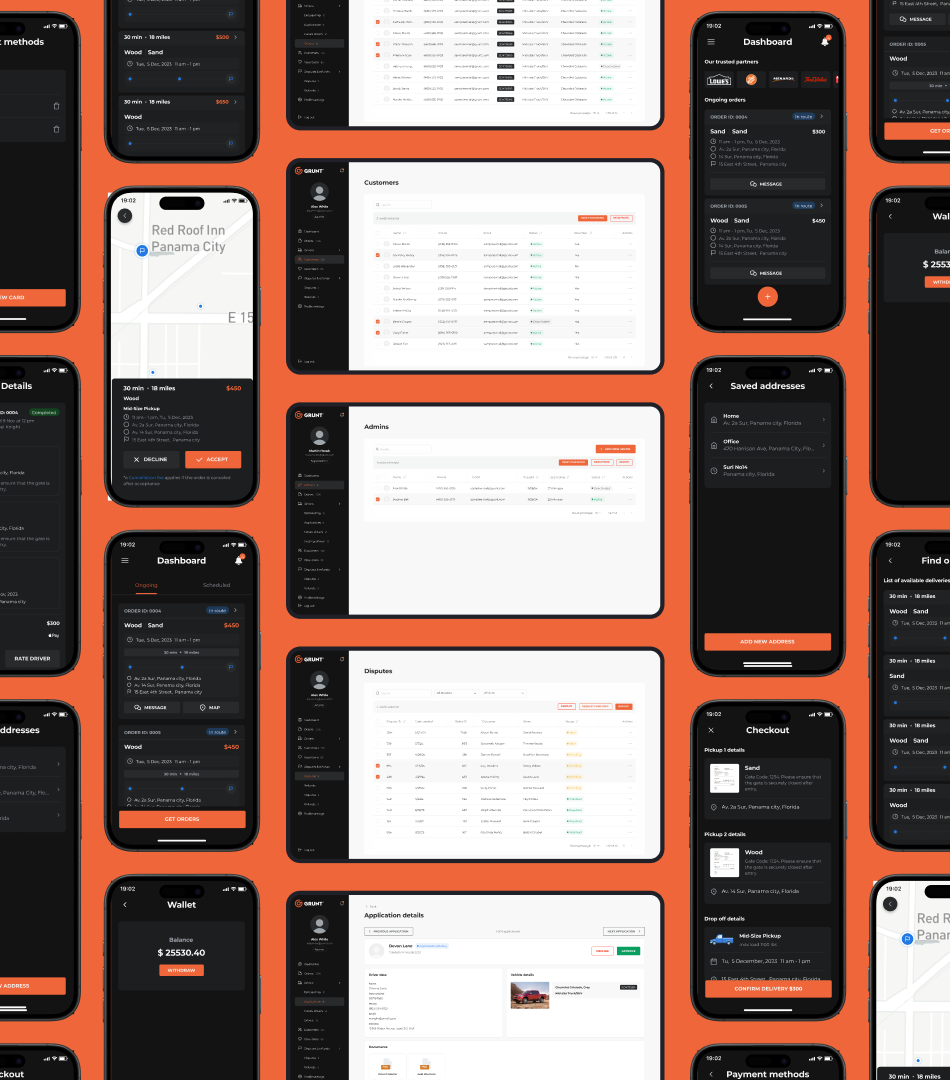
Grunt approached us in a crisis, their previous development company had promised the moon yet could only deliver excuses - not a functional application.
Teknika partnered with Grunt to now only takeover development responsibility, but also serve as technical leadership for their company. We triaged their existing codebase and determined that it had so many fundamental flaws that we could build it faster and better from scratch. We quickly mocked up the application and determined UX flows that would greatly enhance both the user experience and the backend management of the app. With full alignment on the mockups, we developed a cross platform mobile application and web admin under tight timeline constrains.
INDUSTRY
Delivery
TECHNOLOGIES
Flutter, C#/.net, Angular, AWS
COMPANY LINK
https://trygrunt.com/PLATFORM
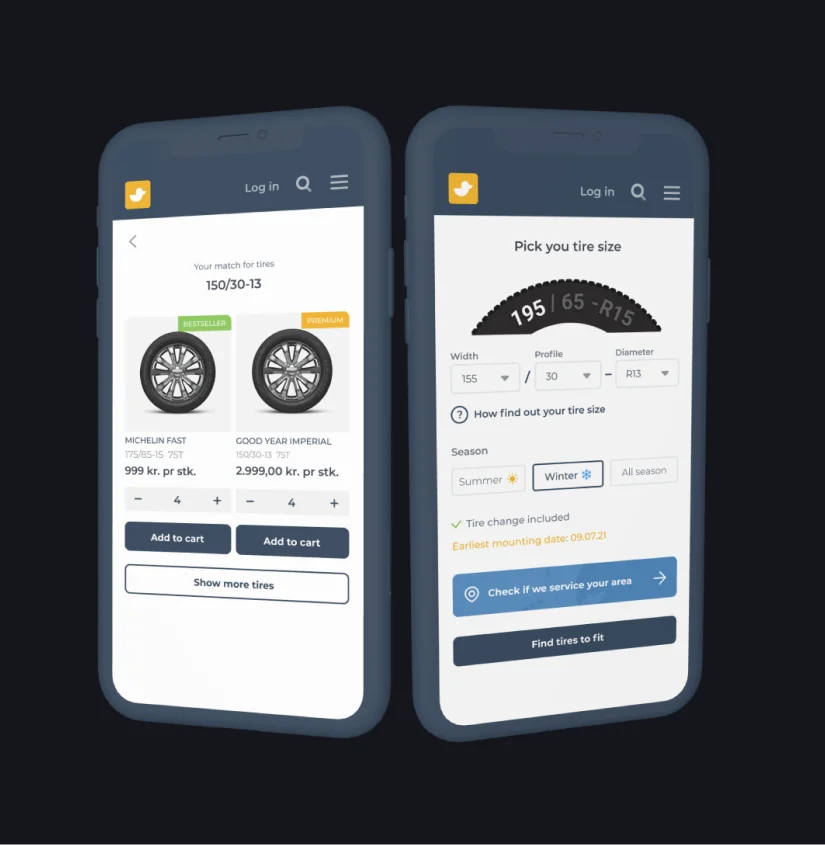
Rubberduck
Rubberduck is a Danish company offering fast and convenient wheel and tire change services performed at the customer’s location.
We developed a web platform for their staff to manage the entire business. We also created a fast and intuitive customer booking process to onboard new customers.
Rubberduck enjoyed such success with their new software that they asked us to implement a web shop for selling tires as well – a great expansion of their business model!
INDUSTRY
SMB
TECHNOLOGIES
React, C#/.net, AWS
COMPANY LINK
https://rubberduck.dk/PLATFORM
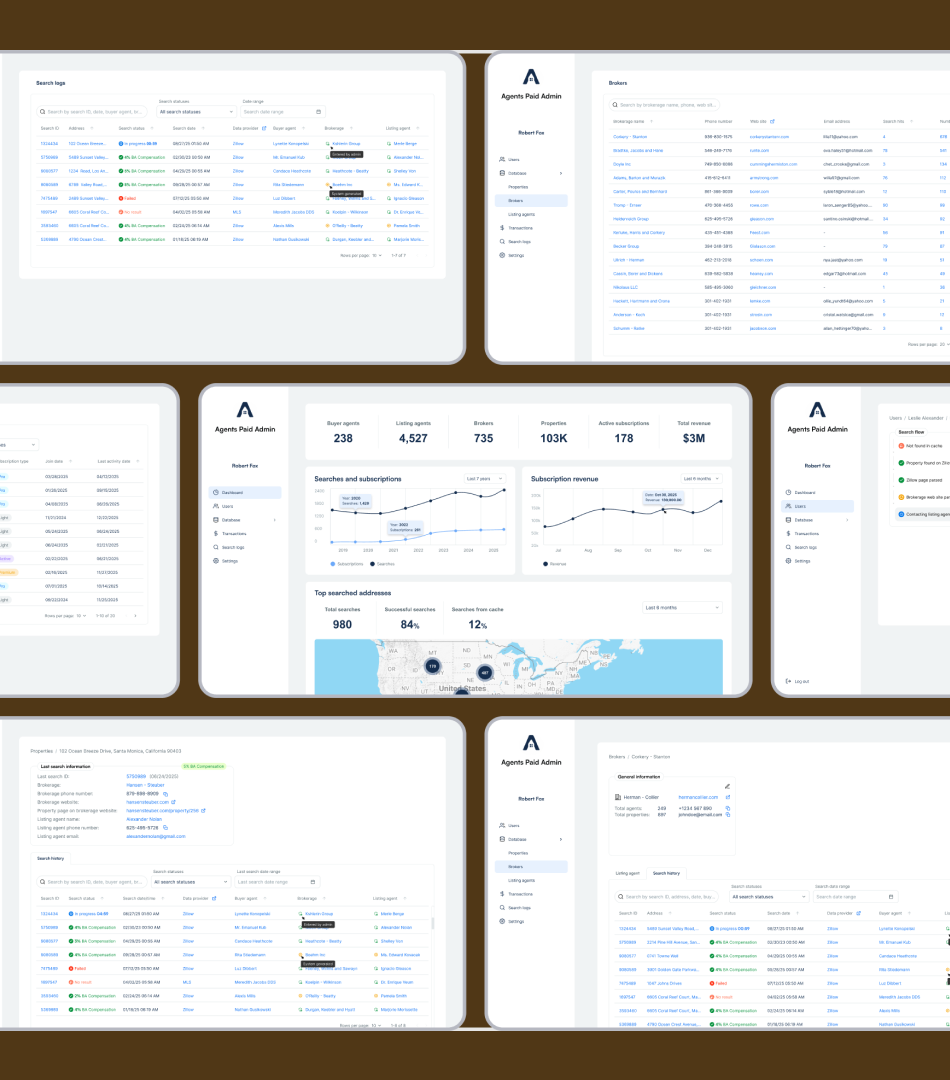
Agents Paid AI
The real estate industry is notoriously behind on technology and heavily reliant on repetitive work by real estate agents. A client with a successful brokerage engaged Teknika to implement their vision for increasing agent efficiency and solving their major pain points.
Teknika architected a solution that utilized several AI tools to gather information in an agent’s workflow and process, behind the scenes, serving as a technological co-pilot for a busy agent.
From the beginning, the project was designed for a longer term AI data play that could use the gathered data on agent activity to train and LLM to provide data and analysis valuable to other parts of the real estate industry.
INDUSTRY
Real Estate
TECHNOLOGIES
PLATFORM
Waffle House
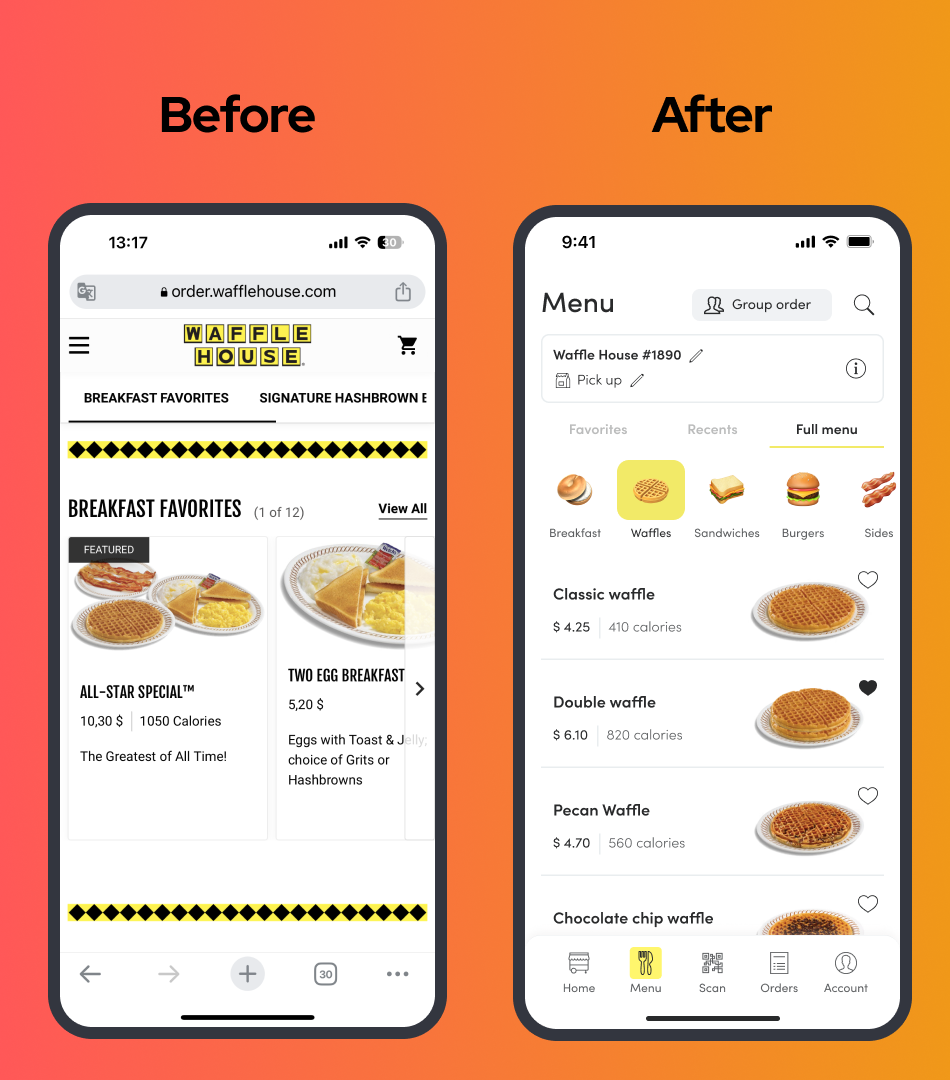
The director of marketing for Waffle House engaged Teknika due to concerns that their mobile app was far behind their competitors with regard to functionality, user experience, and aesthetics.
Teknika did a comprehensive UI/UX analysis of their existing application. After identifying and noting dated or unintuitive aspects of the design, we generated mockups of an improved application with regard to both user experience (UX) and aesthetics (UI).
To assist stakeholders at Waffle House, we organized these changes into Before and After arrangement that concisely explained problems we identified, improvements we implemented and reasoning behind it.
INDUSTRY
Hospitality
TECHNOLOGIES
Figma
COMPANY LINK
https://www.wafflehouse.com/PLATFORM
Jobeo
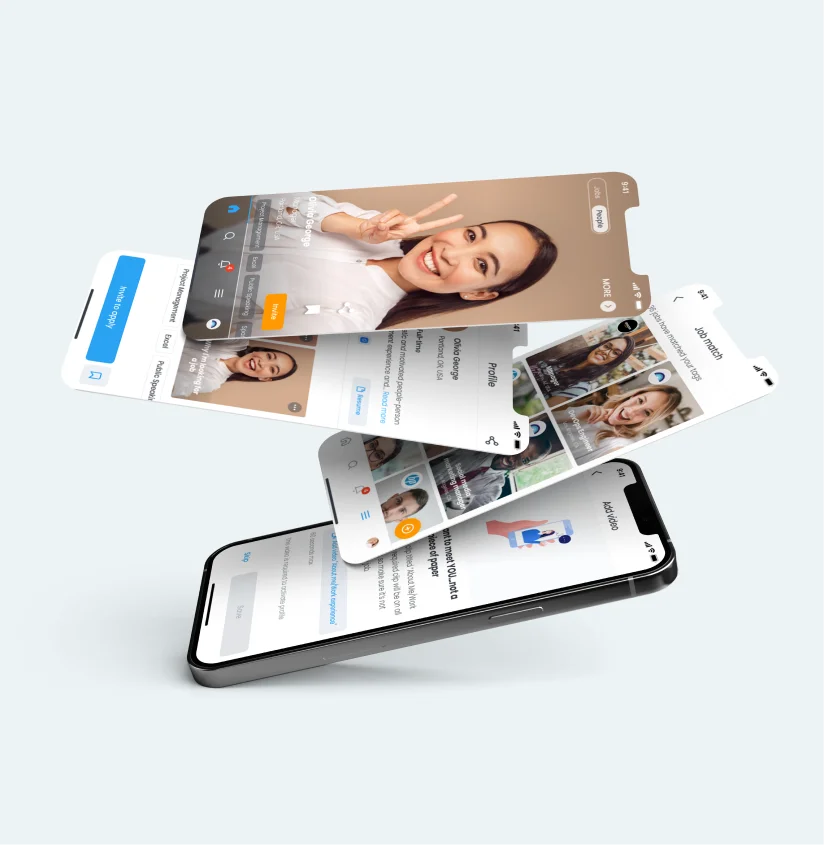
Jobeo is the “TikTok of job searching and recruiting!”.
Employers can post video-based job ads where job seekers can see who they’ll be working, how the work environment looks and feels, etc.
Candidates can create video applications that showcase their soft skills, personality, and other qualities lost on a paper application.
The project includes three components — mobile app for convenient use, a full screen web application for corporate access, and a landing page for marketing.
INDUSTRY
Recruiting
TECHNOLOGIES
Flutter, Node.js, React
PLATFORM
Rainey's Marketplace
A client with an online clothing rental business desired to scale her business by implementing a peer-to-peer (P2P) platform to reduce inventory overhead as well as being the bottleneck for distribution. Not to mention giving mom’s across the country the ability to generate income by “monetizing their closet.”Teknika built a web platform to facilitate this platform and streamline all steps of the transaction such as ratings, disputes, moderations, shipping, taxes, refunds, etc. - all with a intuitive interface flow for users.
INDUSTRY
Fashion / P2P
TECHNOLOGIES
C#/.net, Angular, AWS
COMPANY LINK
https://www.raineyscloset.com/PLATFORM

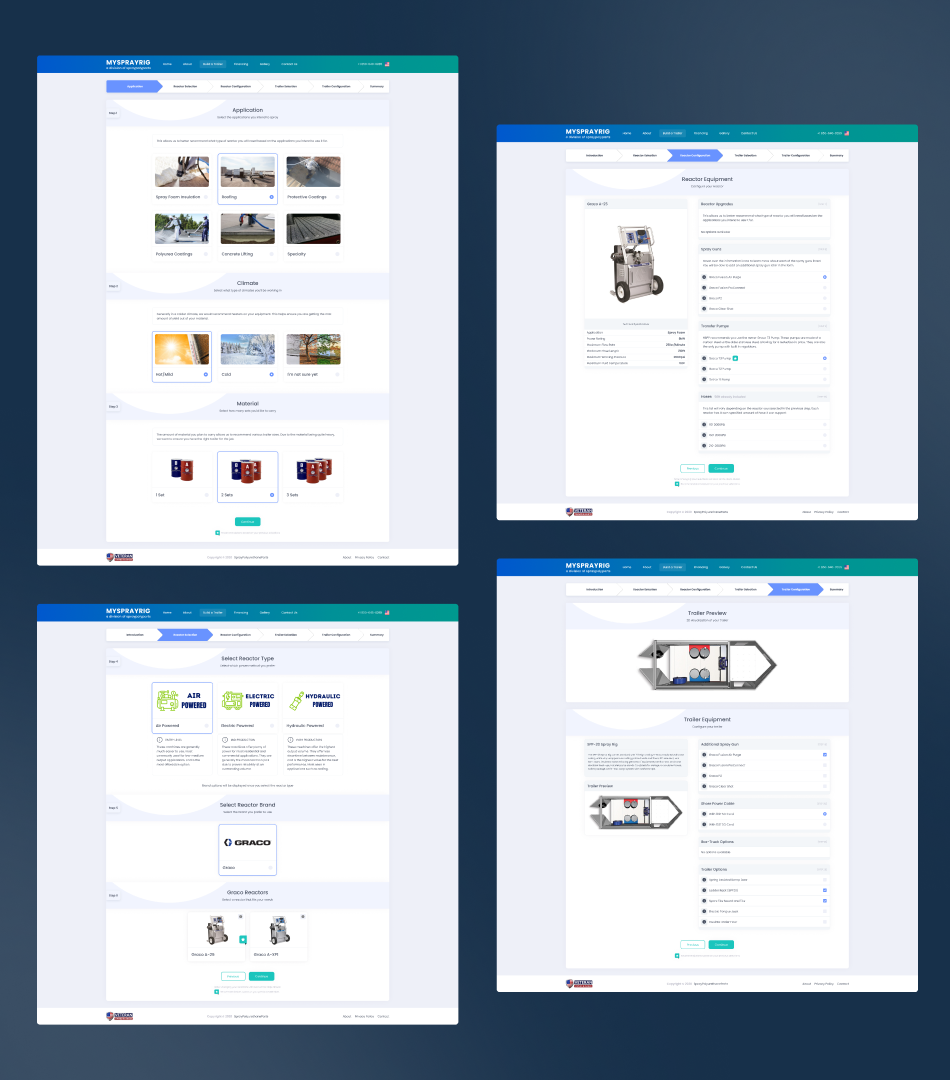
MySprayRig
A client that had businesses in multiple verticals of the spray foam insulation industry desired to scale their custom spray foam contractor trailer business and provide customers with a site where they could customize every aspect of their desired rig.
Teknika built an intuitive interface that enabled customers to understand all the available options. As a first in the industry, customer could independently and confidently configure a rig to meet their unique business needs - all the while ensuring compatibility of all choices.
The app integrated with the client’s inventory and construction systems allowing them to scale sales and manufacturing to dominate their competitors.
INDUSTRY
Construction
TECHNOLOGIES
COMPANY LINK
https://mysprayrig.com/PLATFORM
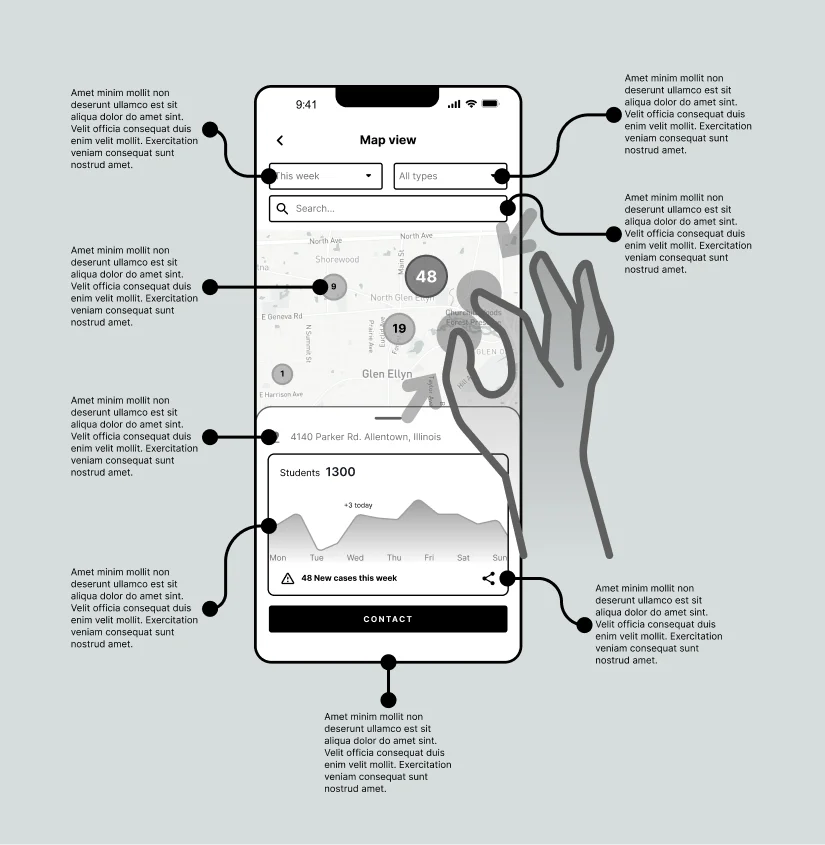
Happyly
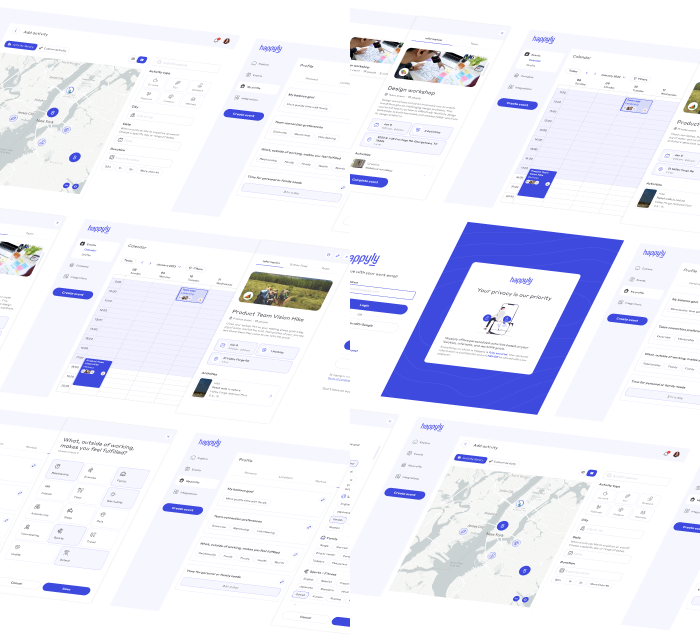
Happyly is an enterprise tool that empowers employees to easily meet and build connections through meaningful activities and experiences. A corporate dashboard and employee mobile app provides employees with amazing work life balance opportunities.
INDUSTRY
Corporate
TECHNOLOGIES
C#/.NET, Angular, AWS
PLATFORM
MarketPros
MarketPros solves the trust problem in real estate. It is the only platform that aggregates only agents that are experienced and fully vetted.
Agents can join the platform to be connected with qualified buyers and referrals.
Buyers have an intuitive interface where they can search for real estate agents by location and other important criteria to find the perfect agent.`
INDUSTRY
Real Estate
TECHNOLOGIES
Angular, C#/.net
PLATFORM

The Knoo
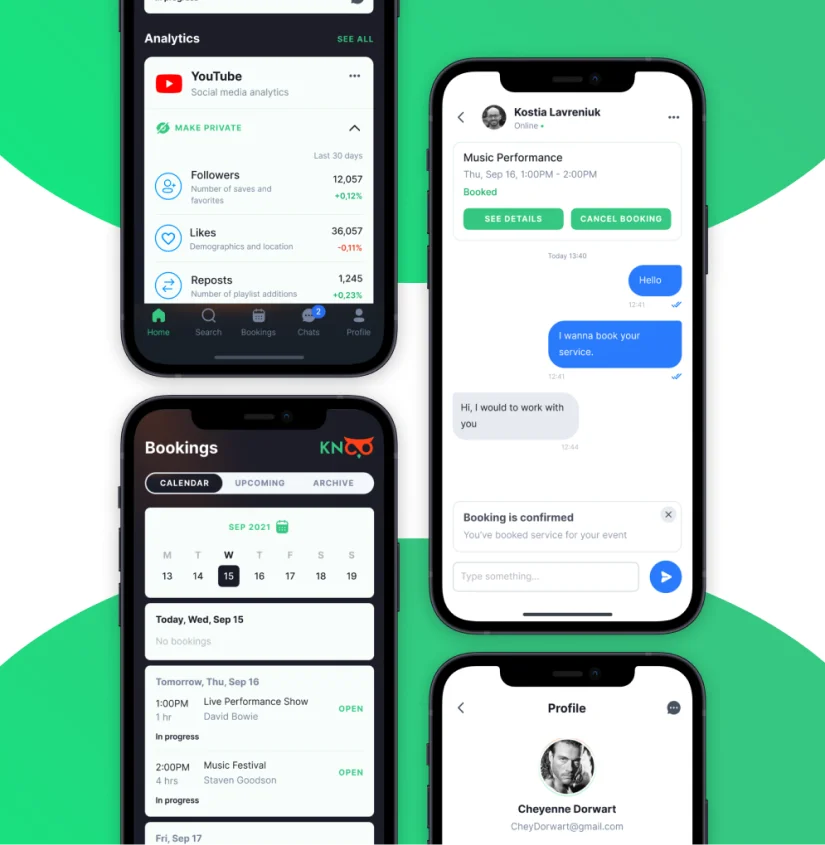
The Knoo is a mobile app that provides a comprehensive business management platform for modern entertainment professionals.
Inside the app, social media analytics are aggregated into one place where they can be managed, analyzed, and shared. There are built in communication tools to network with other entertainers, managers, and venues and scheduling tools to easily book gigs and get paid on time.
For the first time, entertainers, managers, and venues are effortlessly connected!
INDUSTRY
Entertainment
TECHNOLOGIES
Flutter, C#/.net, Angular, AWS
PLATFORM

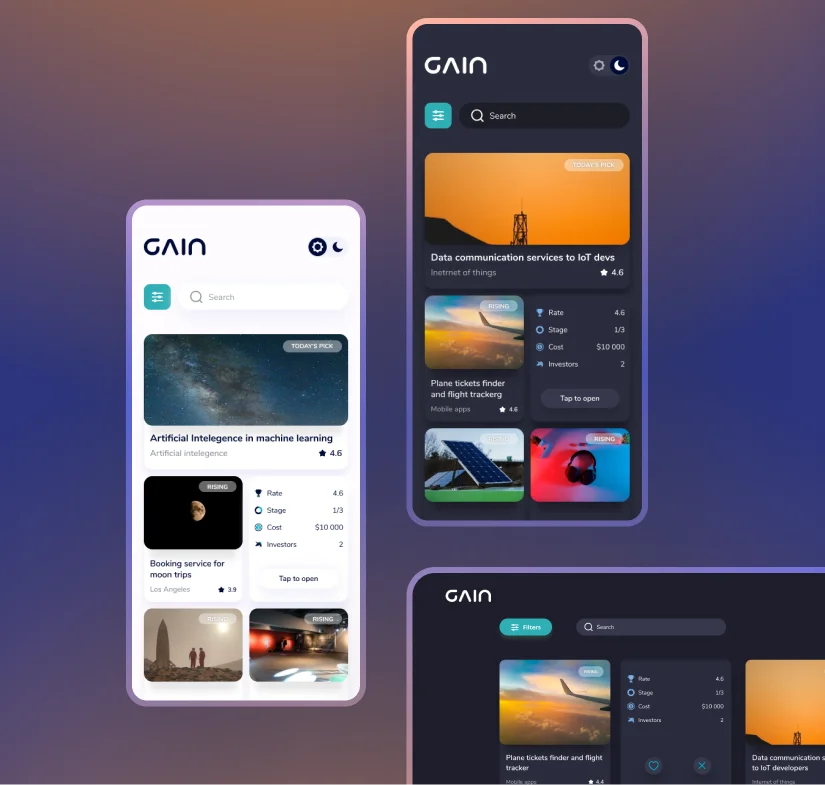
GAIN
The vision of Gain was to become the most detailed and intuitive repository of startup data. This highly filterable database would be valuable tool for investors, founders, and developers.
Our implementation of this vision started with an internal design competition between designers in our company in order to offer the client aesthetic concepts to choose from. We then did a competitive analysis and UX study in order to create an interface and functionality that was intuitive and useful to actual users.
This responsive web application was designed from the beginning to be “white-label” ready (easily repurposed to other data types beyond startups) and multi-lingual ready.
INDUSTRY
VC
TECHNOLOGIES
Figma
PLATFORM
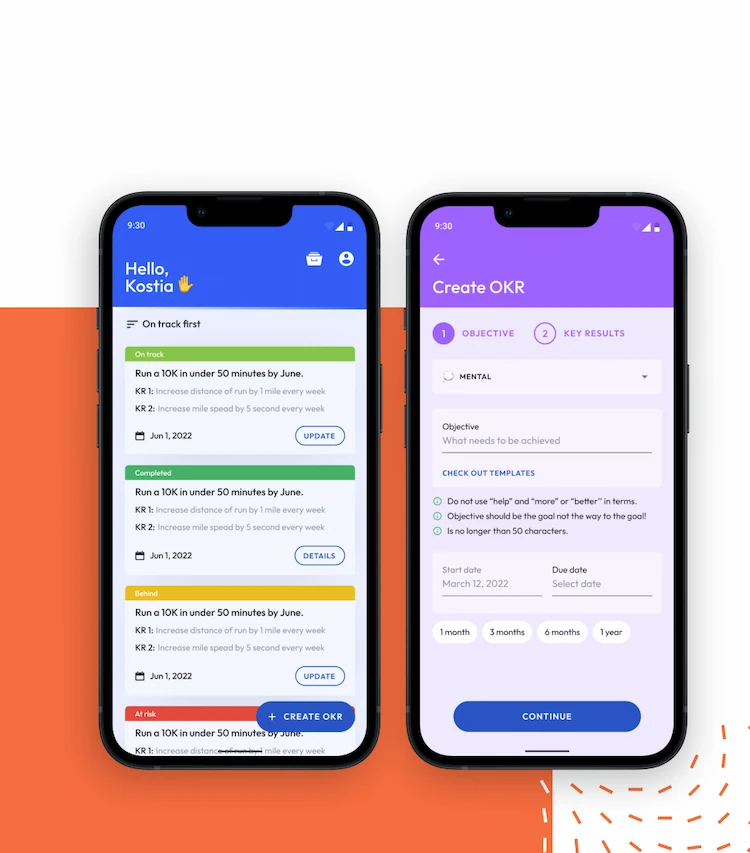
MyOKR
“OKR” stands for Objective and Key Results. OKR’s are a goal-setting and leadership tool used in large corporations. MyOKR represents the first app ever to apply the principles of OKR to help individuals with self-improvement goals.
INDUSTRY
Consumer - Productivity
TECHNOLOGIES
Flutter, C#/.net, AWS
PLATFORM
The honest answers
Questions we get before almost every engagement. Better to have them answered before we talk.
Will you judge my code?
No. We are a pragmatic and business aware development company. We fully understand the utility of quickly built prototype and the necessary compromises taken for speed and to utilize vibe coding tools.
This spirit continues in our audit and development phases as well. We keep what is good enough, emphasize what we consider the highest priority levers for improvement, and work closely with you to evolve your platform to where it needs to be for your business goals.
How do you know if my app actually needs this, or if I'm just being paranoid?
It's rarely just one thing. It might be that the backend has real security or scaling gaps you can't see — but just as often it's that the UI feels rough, releases are stressful, or you're spending nights fixing things instead of running your business. The audit gives you an honest picture across all of it: security, scalability, UI/UX quality, and how sustainable your current workflow actually is. You get a real answer instead of a gut check.
What does "production-ready" actually mean, concretely?
It's more than "it doesn't crash." It means the app looks and feels like something you'd be proud to hand a customer or an investor, releases happen on a predictable schedule instead of a gamble, your data is backed up and recoverable if something goes wrong, and you're not the one holding it all together at 11pm. Security and scale are part of it — but so is whether the product actually feels finished and whether the process behind it is sustainable.
My app already has real users and it hasn't broken yet — doesn't that mean it's fine?
Not breaking is different from being sustainable. A lot of the real cost of vibe-coded apps isn't a dramatic outage — it's the slow drain of you personally patching things, guessing at what to build next, and dreading every release. The audit surfaces both the hidden technical risk and the workflow problems that are quietly costing you time and stress, even if nothing's crashed yet.
The UI looks and feels like it was built at 2am — because it was. Can you fix that?
Yes, and this is one of the most common gaps we see. AI tools are great at making something functional, not at making it feel considered — spacing, hierarchy, consistency, understanding your target audience, the small details that make users trust a product. We bring real UI/UX design into the rebuild, not just engineering, so the app doesn't just work better, it looks like something you'd be proud to put in front of an investor or a paying customer.
I didn't start this business/product to become a full-time developer. Can you just take it off my plate?
That's the point of handing us the build. Once we're past the audit, we take ownership of the codebase, the release process, and the day-to-day engineering decisions — you're not project managing sprints or reviewing pull requests. You run the business; we run the product engineering.
This is one of our company's biggest strengths. We keep clients fully informed and fully in the driver's seat with regard to requirements and priorities - and do this efficiently with respect to your time and budget.
I'm not technical — how do I even evaluate whether your recommendations are right?
You shouldn't have to be. Findings are written in plain business terms — cost, risk, and what it means for your time and your users — not engineering jargon. And if you decide to have us take over development, that's really the point: you stop needing to evaluate technical tradeoffs day-to-day at all. You set direction; we handle execution and keep you informed at the level that matters to you.
Will this affect fundraising or due diligence?
Yes, in a good way. Investors doing technical diligence look at exactly this — security, scalability, and whether there's a real engineering process behind the product, including version control, testing, and release discipline. Having that already in place, backed by an independent audit, removes a common source of diligence delays and gives you a more credible story than "I've been vibe-coding this myself."
Right now releases feel chaotic — I ship something and hold my breath. Can that get better?
Yes — that's usually one of the first things we fix. Vibe-coded projects rarely have real version control discipline, staging environments, or a release process, so every deploy is a gamble. We put in place proper environments (dev/staging/production), testing before release, and a predictable release cadence, so shipping stops being a stressful event.
What happens to my data and my codebase if something goes wrong — am I backed up?
Most vibe-coded prototypes have no real backup or disaster recovery plan, which means one bad deploy, one database mistake, or one vendor outage could mean real data loss. We put automated backups, version-controlled infrastructure, and rollback plans in place as standard practice, so you're never one mistake away from starting over.
I don't have a roadmap — I've just been building whatever feels urgent. Can you help with planning too?
Yes — this is part of what the roadmap phase is for. We help you turn "whatever feels urgent" into a prioritized plan tied to your actual business goals, so engineering time goes toward what moves the needle instead of whatever's loudest that week. You'll always know what's being built, why, and roughly when.
How involved do I need to be day-to-day once you're building?
As much or as little as you want. Most founders check in at planning milestones and demos, not daily standups. We handle the engineering execution; you set direction and priorities. The goal is that your time goes back into sales, customers, and growing the business — not managing a dev team.
What if I just need occasional help, not a full team?
That works too — we offer staff augmentation as well as full-scope development, so you can bring us in for exactly the gap you have, whether that's one engineer plugged into your existing team or a full build-out.
Will the audit slow me down or freeze my current progress?
No — it runs alongside whatever you're already doing. It's an assessment, not a rebuild, so you can keep shipping while we evaluate.